
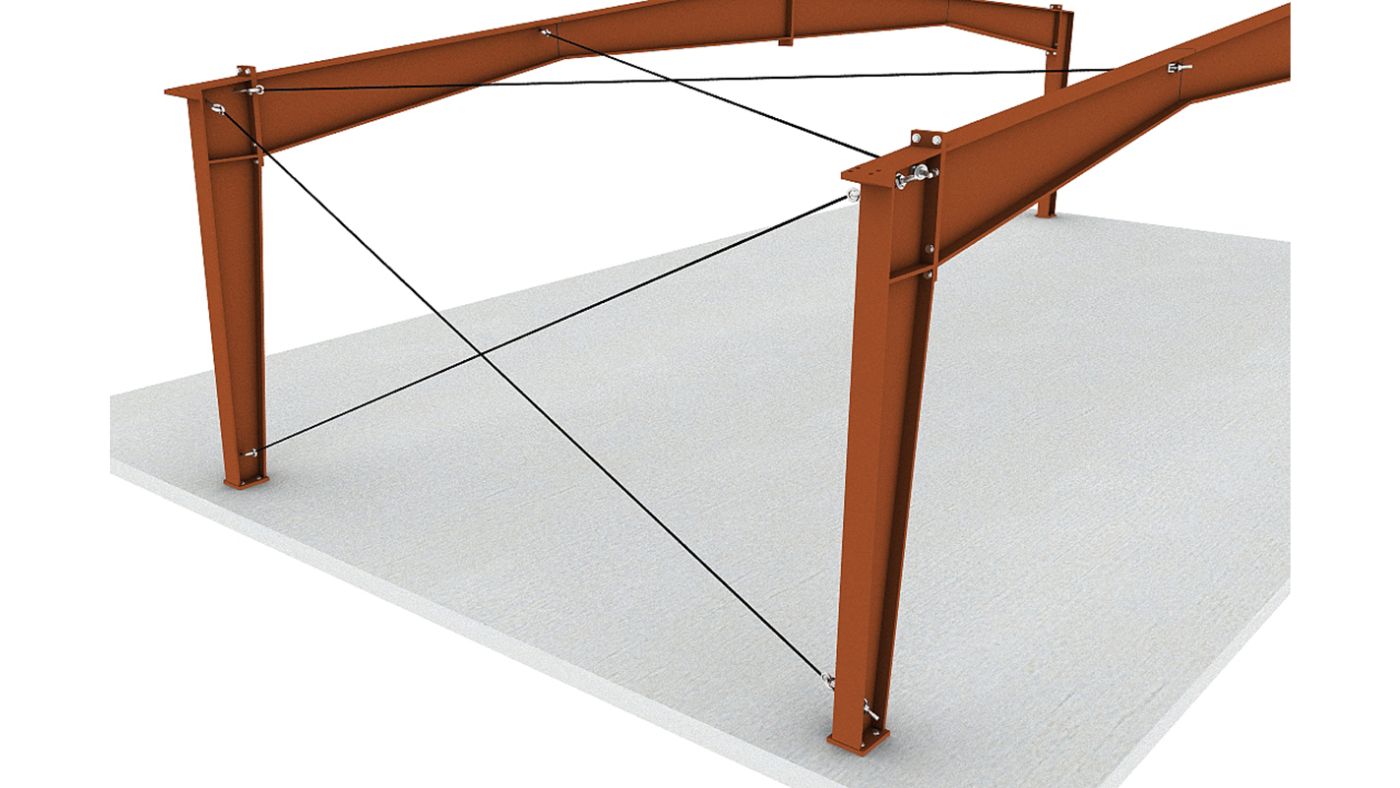
In the steel buildings, bracing plays a critical role in ensuring the stability and safety of the overall construction. Bracing is a system of structural elements used to stabilize the building frame against lateral forces such as wind, earthquakes, and even everyday loads. Understanding the importance of bracing in steel buildings is essential for architects, engineers, and builders aiming to create resilient and durable structures.
What is Bracing?
Bracing refers to the addition of structural members to the frame of a steel building to resist lateral forces and prevent buckling or collapse. These members can be beams, rods, cables, or other elements strategically placed within the building's framework. Bracing systems are designed to absorb and distribute forces, maintaining the building's structural integrity under various conditions.
Types of Bracing in Steel Structures
1. Diagonal Bracing: Diagonal braces are commonly used in steel buildings and involve placing members diagonally between columns and beams. This type of bracing provides significant resistance to lateral forces and enhances the rigidity of the structure.
2. X-Bracing: X-bracing consists of two diagonal braces that intersect to form an "X" shape. This configuration is particularly effective in distributing loads and providing stability to steel buildings.
3. K-Bracing: In K-bracing, the braces form a "K" shape with the vertical columns. This type of bracing is used to provide additional support without obstructing openings within the building, such as windows or doors.
4. V-Bracing: V-bracing involves placing two diagonal braces that converge at a single point on a horizontal beam. This type of bracing is effective in transferring loads to the ground, enhancing the building's overall stability.
5. Moment-Resisting Frames: Unlike diagonal or X-bracing, moment-resisting frames rely on the rigid connections between beams and columns to resist lateral forces. These frames are designed to handle bending moments and shear forces without additional bracing members.
Why is Bracing Important in Steel Buildings?
1. Structural Stability: Bracing ensures that steel buildings remain stable under various loads and forces. It helps prevent excessive movement, buckling, and potential collapse, providing a safe environment for occupants.
2. Load Distribution: Bracing systems effectively distribute lateral forces throughout the building's framework. By spreading these forces, bracing prevents any single component from bearing too much stress, reducing the risk of structural failure.
3. Resistance to Environmental Forces: Steel buildings are often subjected to environmental forces such as wind and seismic activity. Bracing provides the necessary resistance to these forces, ensuring the building's durability and longevity.
4. Code Compliance: Building codes and standards often require specific bracing systems to ensure safety and performance. Implementing proper bracing ensures compliance with these regulations, avoiding potential legal and safety issues.
5. Cost-Effectiveness: While adding bracing elements may increase initial construction costs, it can lead to significant savings in the long run. Proper bracing reduces maintenance needs and prolongs the lifespan of steel structures, offering a cost-effective solution for building stability.
Conclusion
Incorporating effective bracing systems in steel buildings is essential for maintaining structural integrity and ensuring the safety of occupants. Whether it's diagonal bracing, X-bracing, K-bracing, or moment-resisting frames, each type plays a vital role in resisting lateral forces and distributing loads. By understanding the importance of bracing in steel structures, architects, engineers, and builders can design and construct more resilient and durable buildings.