
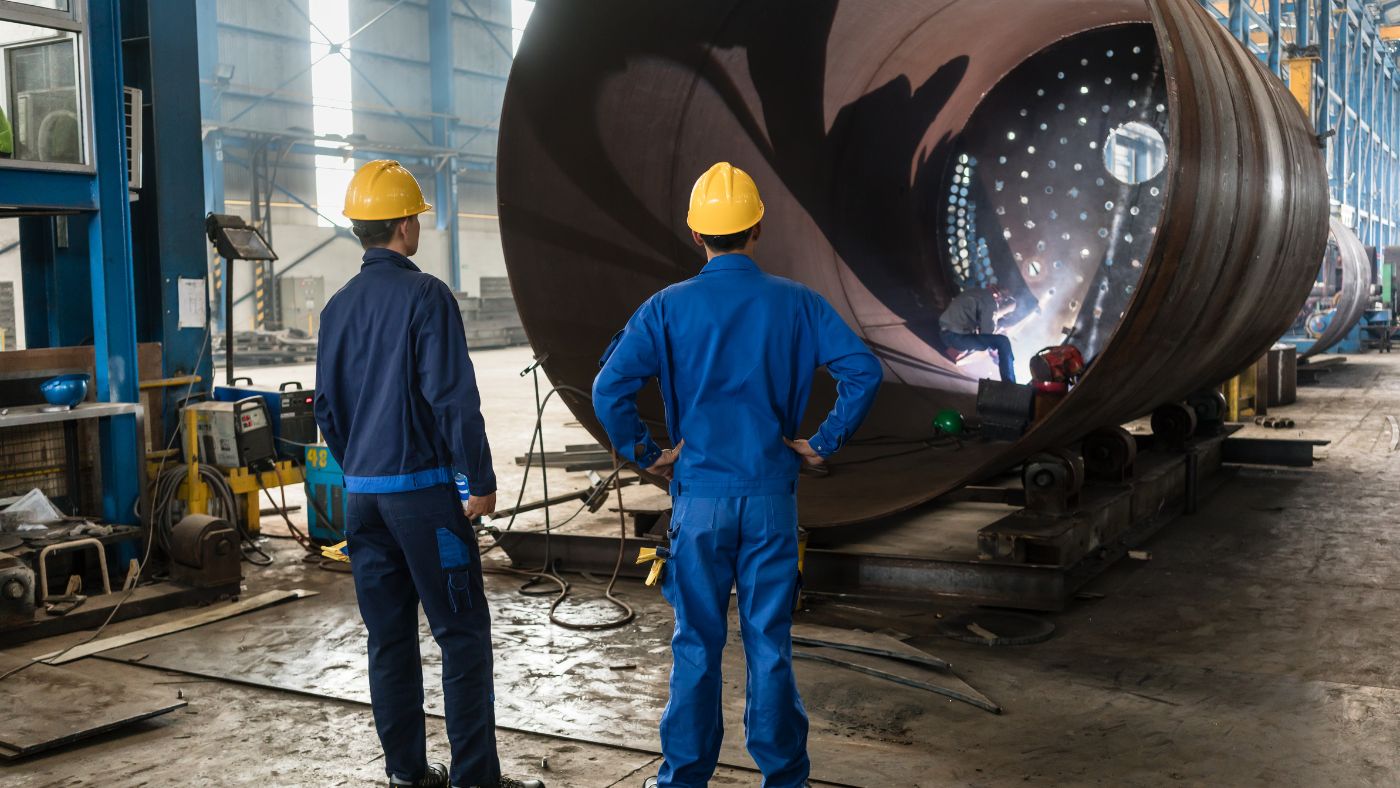
Non-pressure part fabrication is an integral aspect of the steel fabrication industry, particularly in Vietnam, where advanced techniques and skilled labor are available at competitive costs. These components, which do not hold or convey pressurized materials, are essential for various applications in steel buildings and steel structures. This article explores the process and significance of non-pressure part fabrication in Vietnam, highlighting the industry's capabilities and the benefits it offers.
Understanding Non-Pressure Part Fabrication
Non-pressure parts refer to components that do not encounter pressurized conditions during their operation. These include structural elements such as beams, columns, braces, and frames, as well as ancillary parts like walkways, ladders, and support brackets. Fabrication of these parts requires precision and adherence to design specifications to ensure structural integrity and performance.
The Fabrication Process
1. Design and Engineering
The process begins with detailed design and engineering. Engineers use advanced CAD (Computer-Aided Design) software to create accurate models of the components. These designs consider load-bearing requirements, environmental conditions, and integration with other parts of the steel structures. The designs are then translated into detailed shop drawings, which guide the fabrication process.
2. Material Selection
Choosing the right materials is crucial for non-pressure part fabrication. Commonly used materials include various grades of carbon steel, stainless steel, and alloy steel. The selected material must offer the necessary strength, durability, and corrosion resistance required for the specific application within steel buildings.
3. Cutting and Shaping
Once the materials are selected, they undergo cutting and shaping. Advanced cutting technologies such as laser cutting, plasma cutting, and CNC (Computer Numerical Control) machining are employed to ensure precision. These techniques allow for the accurate cutting of steel plates and sections to the required dimensions and shapes.
4. Welding and Assembly
Welding is a fundamental part of the fabrication process. Skilled welders use various welding techniques to join the steel components according to the specifications provided in the shop drawings. This step is critical to ensure the structural integrity and stability of the fabricated parts.
5. Surface Treatment
To enhance the longevity and appearance of the non-pressure parts, surface treatments such as galvanizing, painting, or powder coating are applied. These treatments protect the steel from corrosion and other environmental factors, ensuring that the components remain durable over time.
6. Quality Control
Throughout the fabrication process, stringent quality control measures are implemented. Inspections and tests are conducted at various stages to ensure that the fabricated components meet the required standards and specifications. This step is vital to guarantee the safety and reliability of the steel structures.
Advantages of Non-Pressure Part Fabrication in Vietnam
1. Skilled Workforce
Vietnam boasts a skilled workforce with extensive experience in steel fabrication. The expertise of Vietnamese fabricators ensures that non-pressure parts are manufactured to high standards of quality and precision.
2. Advanced Technology
The fabrication industry in Vietnam is equipped with state-of-the-art technology and machinery. This includes advanced cutting, welding, and surface treatment equipment, which enables high-quality production and efficient turnaround times.
3. Competitive Costs
One of the significant advantages of non-pressure part fabrication in Vietnam is the cost-effectiveness. Lower labor costs compared to higher developed countries enable Vietnamese companies to offer competitive pricing for steel buildings and steel structures without compromising on quality.
4. Strategic Location
Vietnam's strategic location in Southeast Asia makes it an ideal hub for exporting fabricated steel components. The country's well-developed logistics and transportation infrastructure facilitate the efficient delivery of fabricated parts to international markets.
Applications in Steel Buildings and Structures
Non-pressure parts fabricated in Vietnam are used in a wide range of applications within steel buildings and structures. These include:
- Structural Frameworks: Beams, columns, and braces that form the skeleton of buildings.
- Support Structures: Walkways, ladders, and platforms that provide access and support.
- Ancillary Components: Brackets, connectors, and fittings that enhance the functionality and safety of steel buildings.
Conclusion
Non-pressure part fabrication is a crucial element of the steel fabrication industry in Vietnam. With a combination of skilled labor, advanced technology, and competitive costs, Vietnam is well-positioned to meet the global demand for high-quality steel structures and steel buildings. The country's expertise in fabricating these essential components ensures that it continues to play a significant role in the international steel fabrication market.