
Steel structures are fundamental to a wide array of construction projects, ranging from industrial facilities to commercial buildings. Within the realm of steel design, it's crucial to distinguish between pressure and non-pressure parts. These two categories serve different purposes and are subject to varying design and fabrication requirements. Understanding the differences between pressure and non-pressure parts in steel structures can significantly impact the integrity and performance of steel buildings. This article highlights five key differences, incorporating essential keywords such as steel buildings, steel structures, and steel design to comply with Google’s search engine optimization standards.
1. Function and Application
Pressure Parts:
Pressure parts are components of steel structures designed to withstand internal or external pressure. These include elements like boilers, pressure vessels, and piping systems that contain fluids or gases under pressure. The primary function of these parts is to maintain structural integrity under high-pressure conditions, ensuring the safe containment of the pressurized medium.
Non-Pressure Parts:
Non-pressure parts are structural elements that do not encounter pressurized conditions. These include beams, columns, and other structural supports in steel buildings. Their primary role is to bear static loads, such as the weight of the building itself, as well as dynamic loads from occupants, equipment, and environmental factors.
2. Design and Engineering Standards
Pressure Parts:
The design of pressure parts follows stringent engineering standards and codes to ensure safety under pressure conditions. Standards such as the ASME Boiler and Pressure Vessel Code (BPVC) or the European Pressure Equipment Directive (PED) govern the design, fabrication, and testing of pressure-containing components. These standards mandate detailed analysis, including stress and fatigue calculations, to prevent failure under pressure.
Non-Pressure Parts:
Non-pressure parts adhere to structural engineering standards that focus on load-bearing capacity and structural stability. Codes like the American Institute of Steel Construction (AISC) and the Eurocode provide guidelines for the design and fabrication of these components. The design criteria emphasize factors such as load distribution, material strength, and structural resilience against forces like wind and seismic activity.
3. Material Selection
Pressure Parts:
Material selection for pressure parts is critical due to the need to withstand high-pressure environments. Materials like high-strength carbon steel, stainless steel, and alloy steel are commonly used. These materials must possess excellent mechanical properties, such as high tensile strength, ductility, and resistance to corrosion and high temperatures.
Non-Pressure Parts:
Non-pressure parts utilize a broader range of materials, including mild steel and structural steel grades. The selection is based on factors like strength, durability, and cost-effectiveness. While these materials must also meet specific standards, the requirements are generally less stringent than those for pressure parts.
4. Fabrication Processes
Pressure Parts:
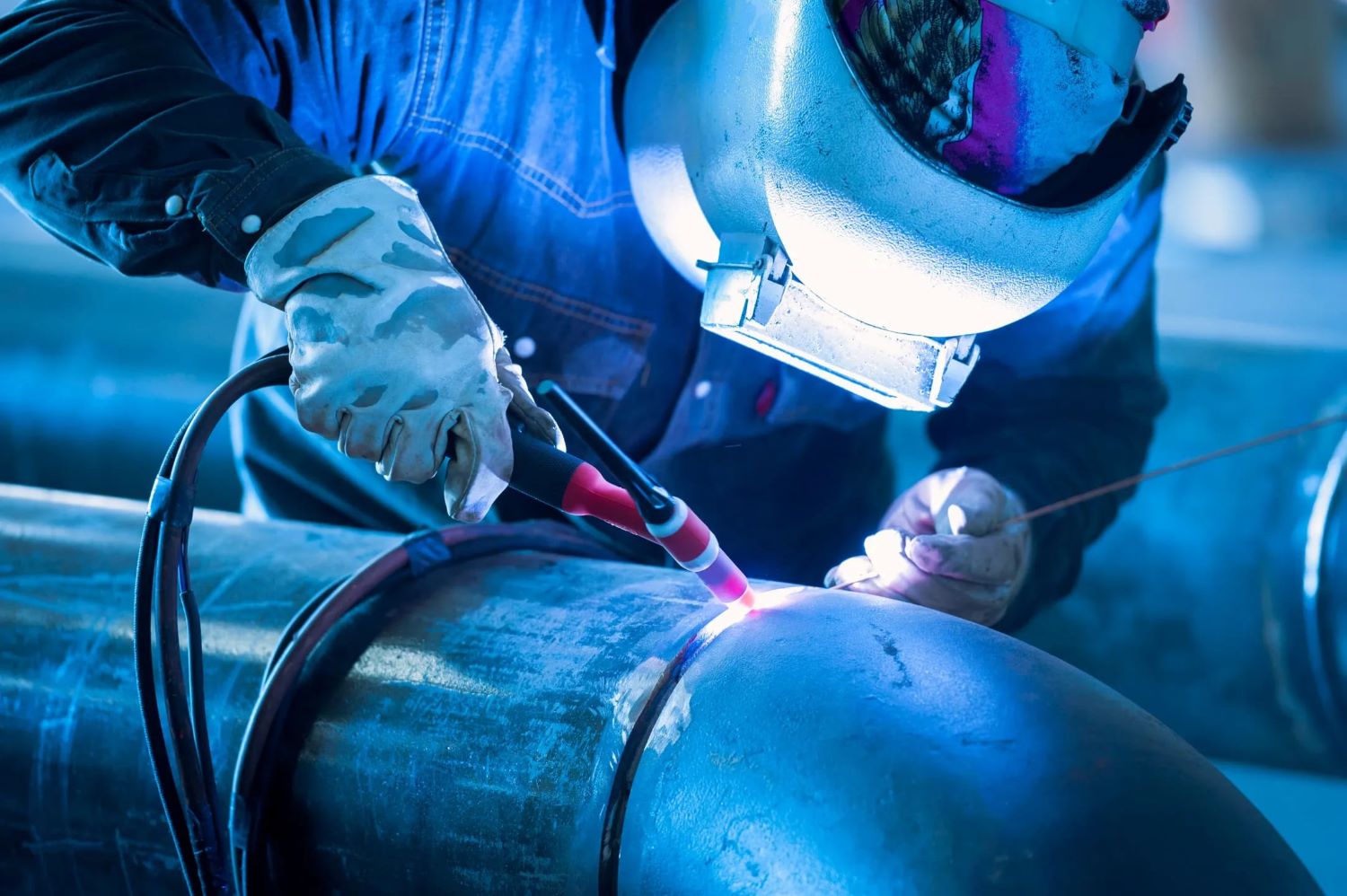
The fabrication of pressure parts involves precise and controlled processes to ensure safety and compliance with standards. Techniques such as welding, heat treatment, and non-destructive testing (NDT) are extensively used. Welding procedures must be qualified, and welds are often subjected to rigorous inspections, including radiographic and ultrasonic testing, to detect flaws.
Non-Pressure Parts:
Fabrication processes for non-pressure parts focus on achieving structural integrity and dimensional accuracy. Common techniques include cutting, bending, and welding. While quality control is essential, the inspection criteria are generally less rigorous compared to pressure parts. Visual inspections and basic NDT methods are typically sufficient.
5. Testing and Certification
Pressure Parts:
Testing and certification of pressure parts are mandatory to verify their ability to operate safely under pressure. Hydrostatic testing, where components are filled with water and pressurized to test for leaks and strength, is a standard procedure. Certification from accredited bodies ensures compliance with relevant standards and safety regulations.
Non-Pressure Parts:
Testing and certification for non-pressure parts focus on structural performance and load-bearing capacity. Static load tests and deflection measurements are common practices. Certification ensures that the components meet the design specifications and construction standards but does not involve the same level of scrutiny as pressure parts.
Conclusion
Understanding the key differences between pressure and non-pressure part steel structures is vital for engineers and designers in the steel fabrication industry. By recognizing the distinct functions, design requirements, material selections, fabrication processes, and testing protocols, professionals can ensure the safety, efficiency, and durability of steel buildings. This knowledge not only enhances the quality of steel structures but also aligns with best practices in steel design, contributing to the overall success of construction projects.