

Steel structures have revolutionized the construction of high-rise buildings, providing unparalleled strength, flexibility, and durability. The application of steel in high-rise buildings has grown significantly due to its numerous advantages over traditional building materials. This article explores the benefits and applications of steel structures in high-rise buildings, emphasizing the importance of steel fabrication in creating modern skylines. We will also look at how steel buildings are changing the urban landscape, with a focus on the innovations and techniques that make this possible.
The Advantages of Steel Structures in High-Rise Buildings
1. Strength and Durability: Steel structures offer exceptional strength and durability, making them ideal for high-rise buildings. The high strength-to-weight ratio of steel allows for the construction of taller and more stable structures. This strength ensures that buildings can withstand natural forces such as wind, earthquakes, and other environmental stresses.
2. Flexibility and Adaptability: Steel is highly flexible and adaptable, allowing for innovative architectural designs and modifications even after the building is completed. The use of steel structures enables architects and engineers to create complex shapes and designs that are difficult to achieve with traditional materials.
3. Speed of Construction: One of the most significant advantages of steel fabrication in high-rise buildings is the speed of construction. Steel components can be prefabricated off-site, reducing construction time and minimizing disruptions on-site. This efficiency translates into cost savings and faster project completion.
4. Sustainability: Steel is a sustainable building material that can be recycled and reused without losing its properties. The use of steel structures in high-rise buildings contributes to environmental conservation and reduces the carbon footprint of construction projects.
Applications of Steel Structures in High-Rise Buildings
1. Core and Shell Construction: Steel structures form the backbone of high-rise buildings, providing a robust framework for the core and shell construction. This includes steel columns, beams, and braces that form the skeleton of the building, ensuring stability and strength.
2. Floor Systems: Steel floor systems are widely used in high-rise buildings due to their ability to support heavy loads and span long distances without the need for intermediate supports. Composite steel decking is a popular choice, combining steel and concrete to create a strong and lightweight floor structure.
3. Façade and Cladding: The flexibility of steel allows for the creation of aesthetically pleasing façades and cladding systems. Steel panels, glass, and other materials can be combined to create modern and visually appealing exteriors that also provide thermal and acoustic insulation.
4. Elevator and Staircase: Steel is often used for the construction of elevator shafts and staircase in high-rise buildings. The strength and precision of steel fabrication ensure the safety and reliability of these critical components.
5. Bracing and Reinforcement: Steel bracing systems, such as moment-resisting frames and shear walls, are essential for enhancing the seismic performance of high-rise buildings. These systems distribute loads and stresses, preventing structural failure during earthquakes and high winds.
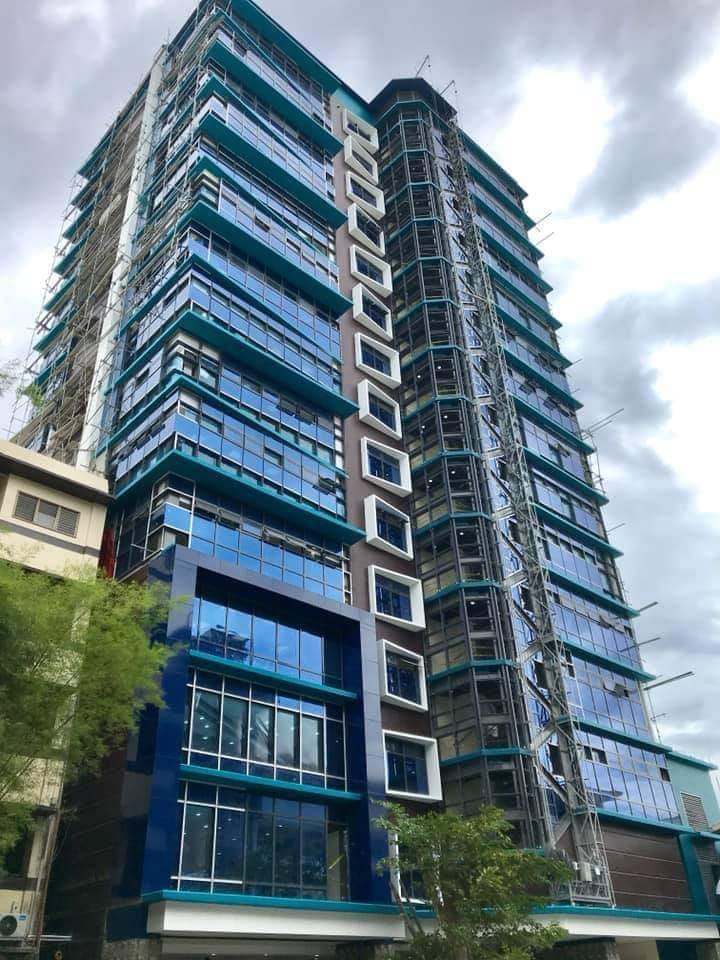
San Pedro College in Davao City
(Steel structures supplied by VIS Steel)
The Role of Steel Fabrication in High-Rise Buildings
Steel fabrication plays a crucial role in the construction of high-rise buildings. Advanced fabrication techniques, such as computer numerical control (CNC) machining, laser cutting, and robotic welding, ensure the precision and quality of steel components. The use of prefabricated steel elements allows for efficient assembly on-site, reducing labor costs and construction time.
In conclusion, the application of steel structures in high-rise buildings offers numerous benefits, including strength, flexibility, speed of construction, and sustainability. Steel fabrication is at the heart of this transformation, enabling the creation of modern and resilient skyscrapers that define the urban landscape. As technology and techniques continue to advance, steel buildings will remain a cornerstone of high-rise construction, driving innovation and shaping the cities of the future.
By leveraging the advantages of steel structures and steel fabrication, we can build safer, taller, and more efficient high-rise buildings that meet the demands of modern living and urban development.