
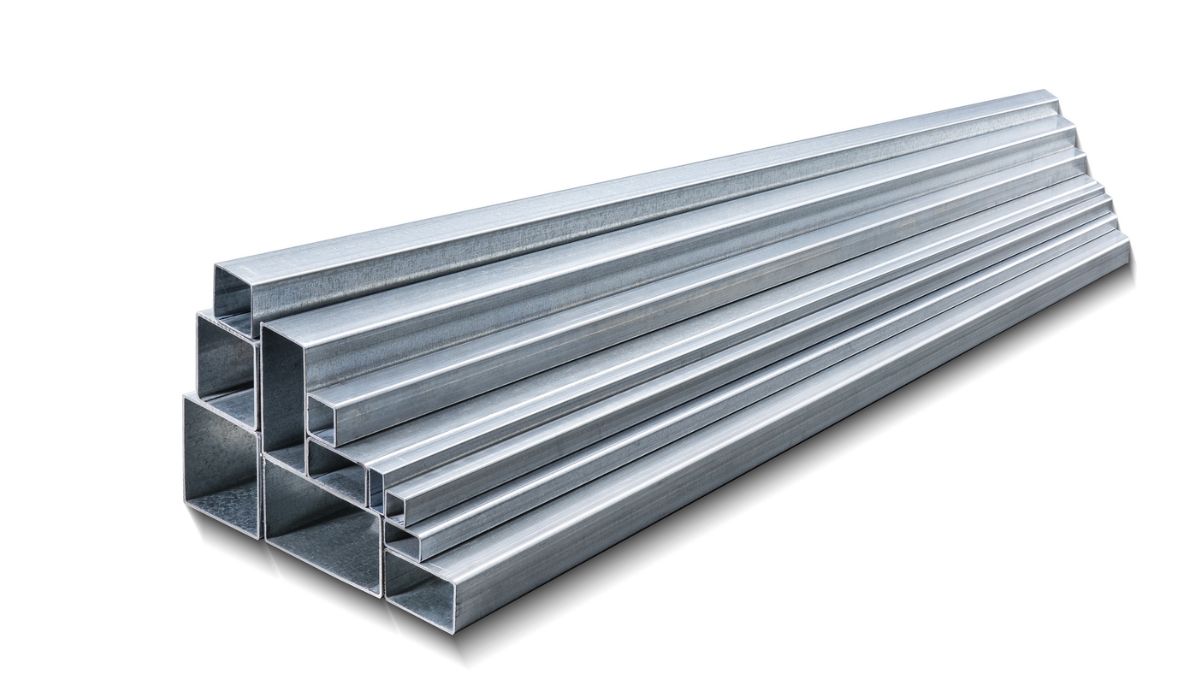
Hollow steel sections—often referred to as box steel or steel tubing—are among the most widely used materials in construction and mechanical engineering thanks to their excellent strength, durability, and versatility. With various shapes such as square and rectangular tubes, this material has become a preferred choice for both industrial and civil projects. This article will walk you through what hollow steel is, the most common types, and their practical applications in modern construction.
Hollow steel refers to steel products manufactured in the form of hollow tubes with either square or rectangular cross-sections. Thanks to their hollow structure and smooth flat surfaces, hollow steel sections offer impressive load-bearing capacity, high rigidity, and durability superior to many other metal materials.
In construction and mechanical engineering, hollow steel is widely used because it is:
- Easy to cut, weld, fabricate, and install
- Resistant to deformation under heavy loads
- Available with galvanized coatings for excellent rust protection and extended service life
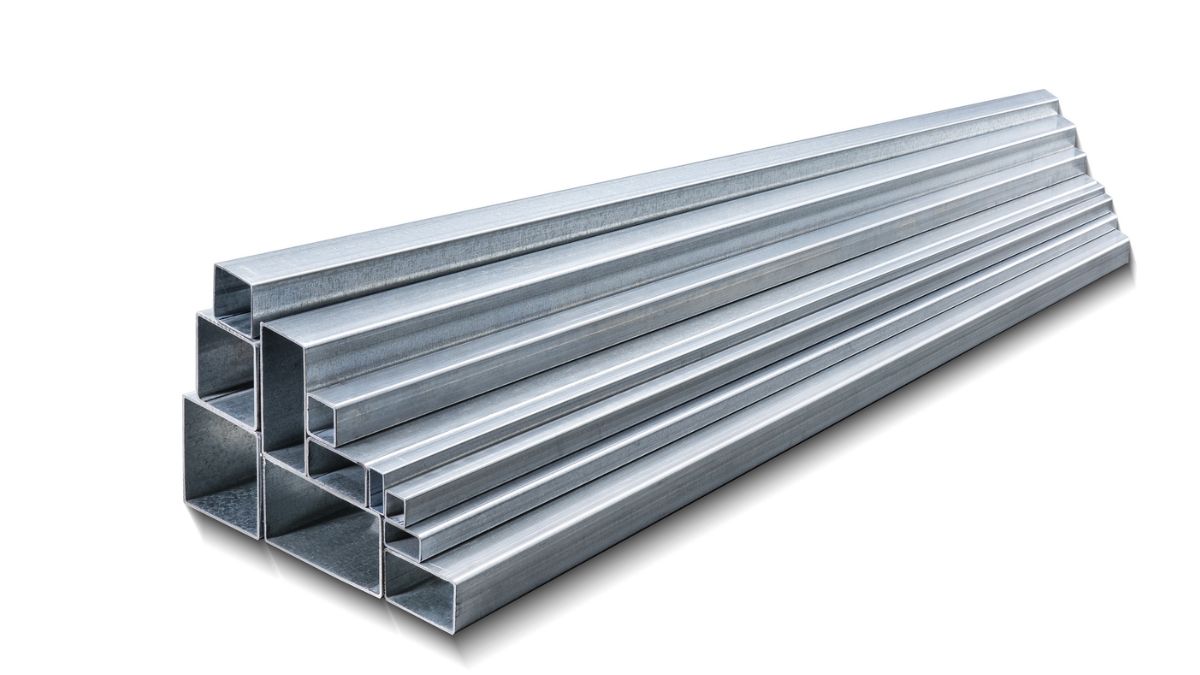
Hollow steel is typically used for load-bearing frames, factory structures, railings, canopies, trusses, furniture, and many other civil and industrial applications.
Types of Hollow Steel
Hollow steel comes in various forms, but the most common are square tubes and rectangular tubes. Each type offers different advantages and is suited to specific structural, load-bearing, or aesthetic requirements.
Square hollow steel (square tubing) features a square cross-section with four equal sides. Common sizes include 20×20, 25×25, 30×30, 40×40, 50×50, and 100×100 mm.
- Key Features
+ Even load distribution across all four sides
+ Clean appearance and easy integration into structural frames
+ Excellent strength and rigidity due to its uniform design
+ Available in hot-dip galvanized versions for maximum corrosion resistance
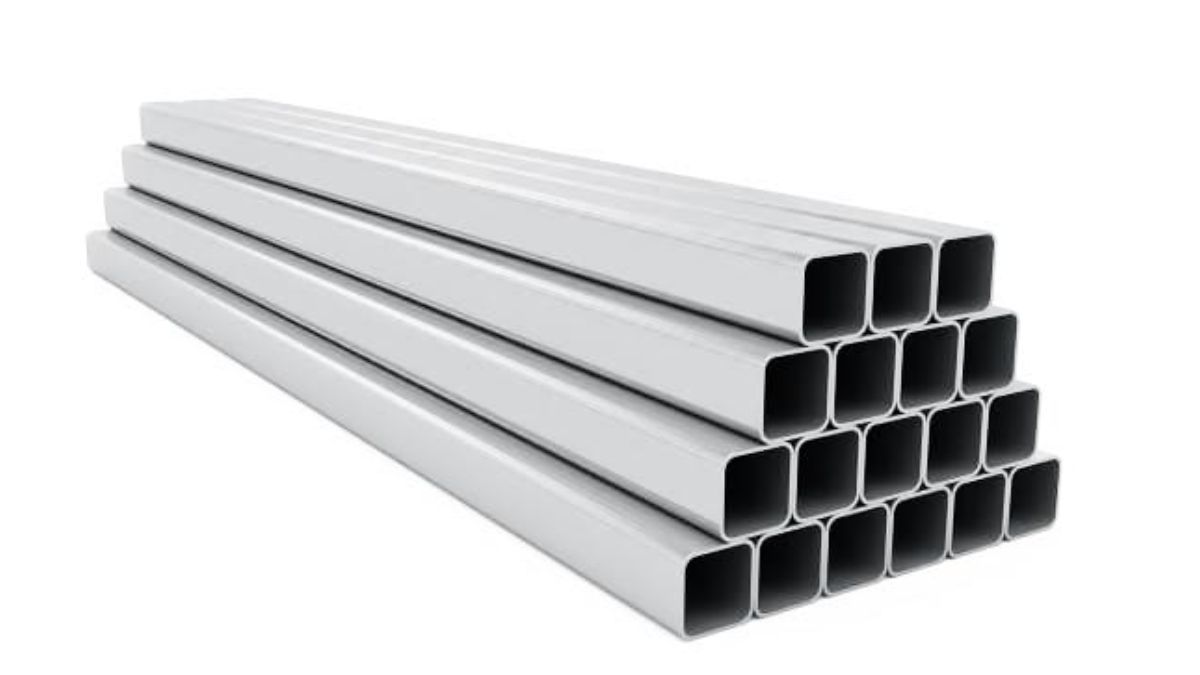
- Applications of Square Hollow Steel
+ Factory and pre-engineered building frames
+ Railings, fences, and door frames
+ Machine frames and industrial furniture structures
+ Scaffolding, roof trusses, and supporting frameworks
Rectangular hollow steel (rectangular tubing) features a rectangular cross-section with two long sides and two short sides. Common dimensions include 20×40, 30×60, 40×80, and 50×100 mm.
- Key Features
+ Superior strength along the longer side
+ Lighter weight compared to square tubes of the same length
+ Easy to fabricate and cost-effective for structures with directional loads
+ Available in many galvanized options with strong anti-corrosion performance

- Applications of Rectangular Hollow Steel
+ Purlins, roof frames, and components of pre-engineered buildings
+ Columns, beams, and bracing in warehouses and workshops
+ Advertising frames, signboards, and interior structures
+ Mechanical engineering and machinery manufacturing
Hollow steel is indispensable in modern construction thanks to its mechanical strength, long lifespan, and exceptional corrosion resistance. Some of the most common applications include:
- Factory and Pre-Engineered Building Structures: Used for columns, beams, purlins, bracing systems, and secondary frames due to its high load-bearing capacity.
- Roofing Systems, Canopies, and Trusses: With good structural strength and clean aesthetics, hollow steel is ideal for curved roofs, metal roofs, and steel trusses.

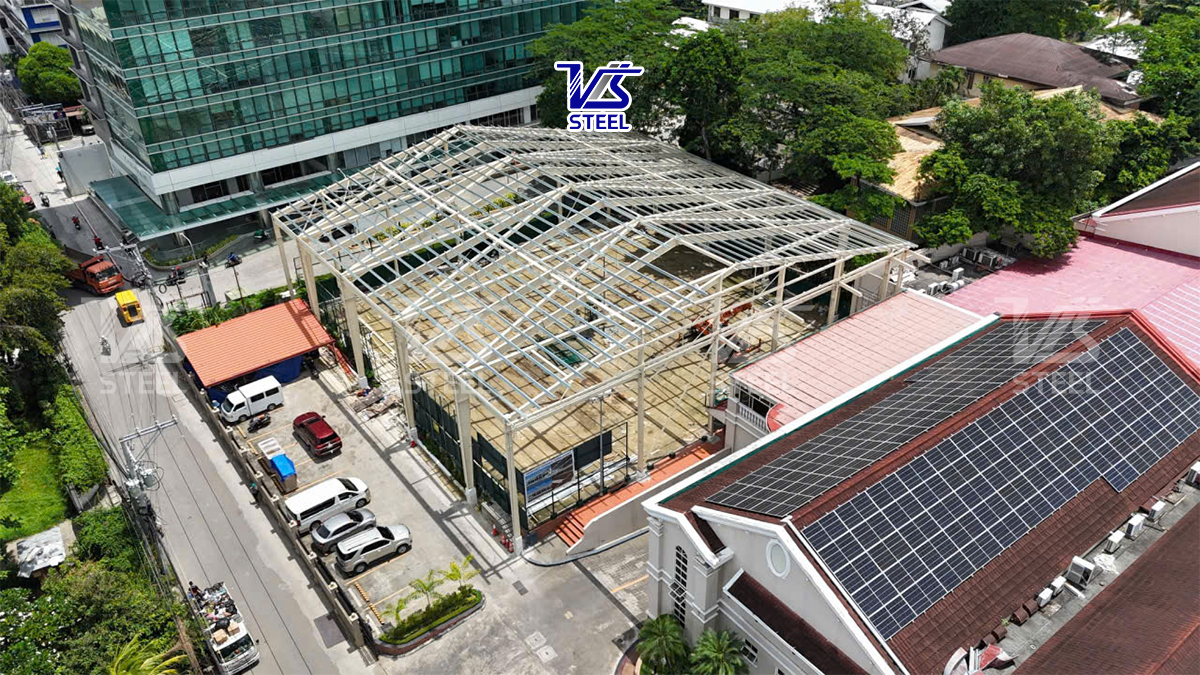
Hollow steel plays a vital role in both construction and industrial manufacturing thanks to its excellent durability, impressive load-bearing performance, reliable corrosion resistance, and easy installation. With two primary types—square and rectangular hollow sections—contractors and businesses can select the most suitable option based on load requirements, design needs, and project conditions.
________________
Contact Information
VIS STEEL STRUCTURES COMPANY LIMITED
Address: N11, No. 119, Pho Quang Street, Duc Nhuan Ward, Ho Chi Minh City
Factory: Lot 1G5, CN9 Street, Tan Binh Industrial Park, Vinh Tan Ward, Ho Chi Minh City
Hotline: (+84) 28 354 710 30 - (+84 0274) 3622 213
Email: info@vissteel.com.vn