
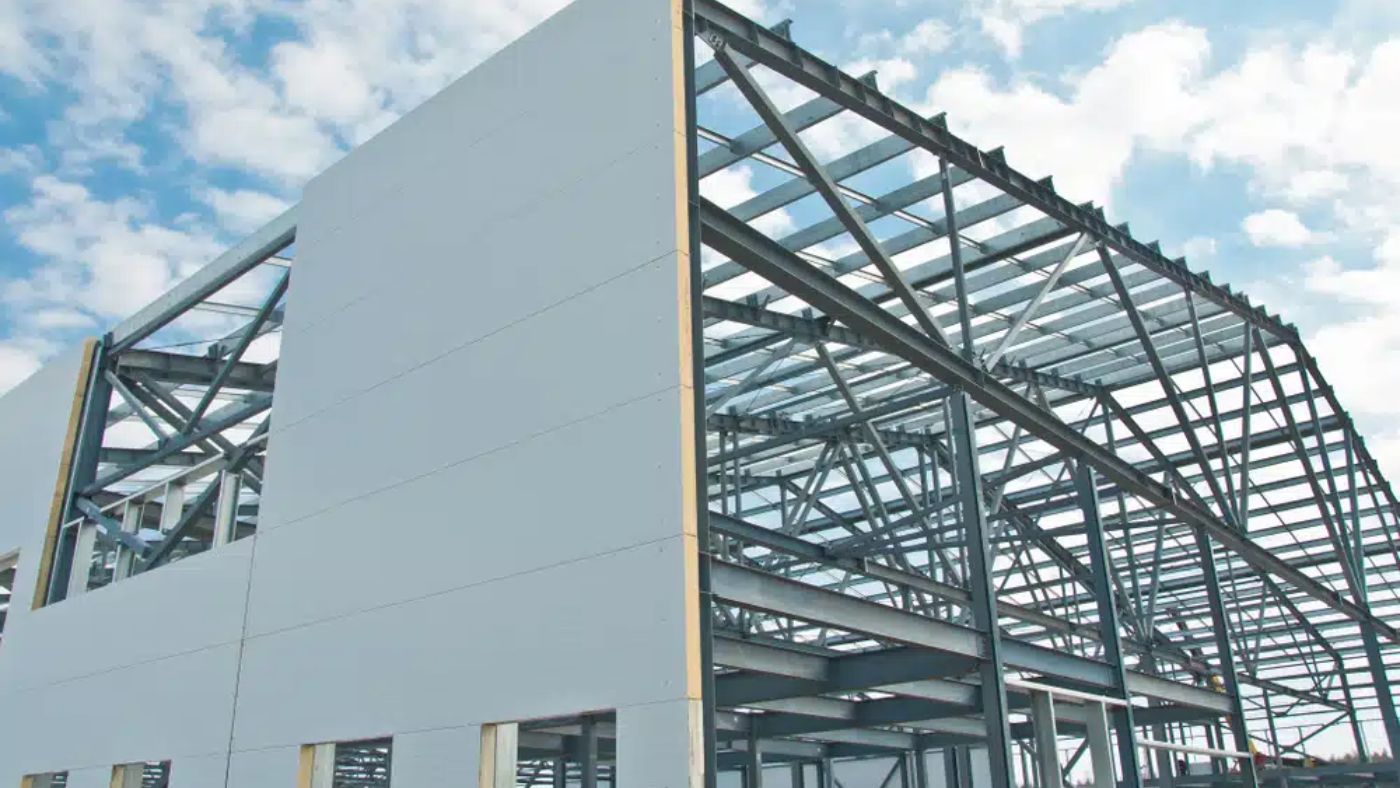
Steel buildings have become increasingly popular in various sectors due to their durability, strength, and versatility. However, one critical aspect that ensures the efficiency and comfort of these buildings is insulation. Proper insulation in steel buildings is essential to maintain a controlled indoor environment, reduce energy costs, and protect against noise and moisture. In this article, we explore the latest advancements in insulation for steel structures and how they enhance the overall performance of these buildings.
Types of Insulation for Steel Buildings
1. Fiberglass Insulation:
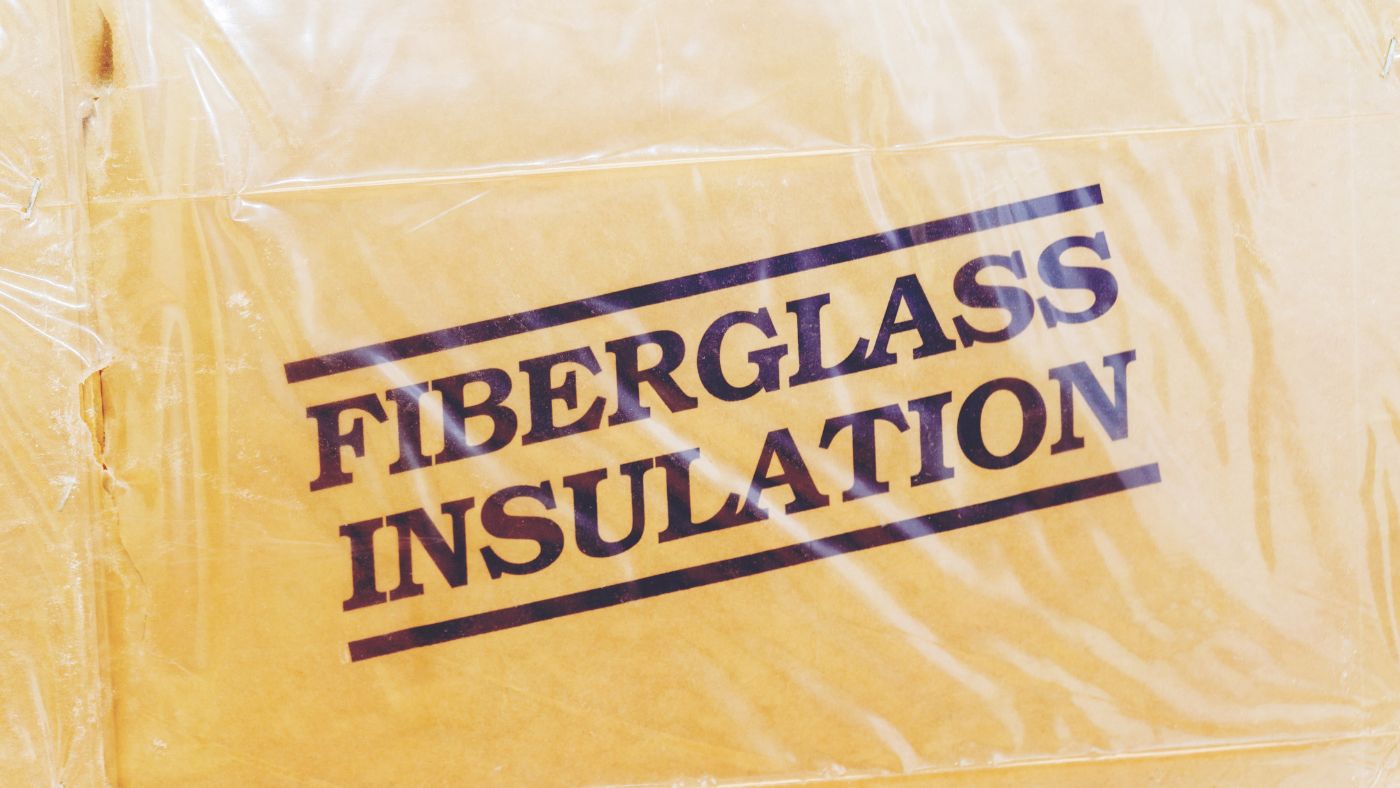
Fiberglass insulation remains a popular choice for steel buildings due to its affordability and effectiveness. Made from glass fiber, it offers excellent thermal resistance, or R-value. Available in batts, rolls, and loose-fill forms, fiberglass insulation is adaptable to various needs in steel buildings.
2. Spray Foam Insulation:
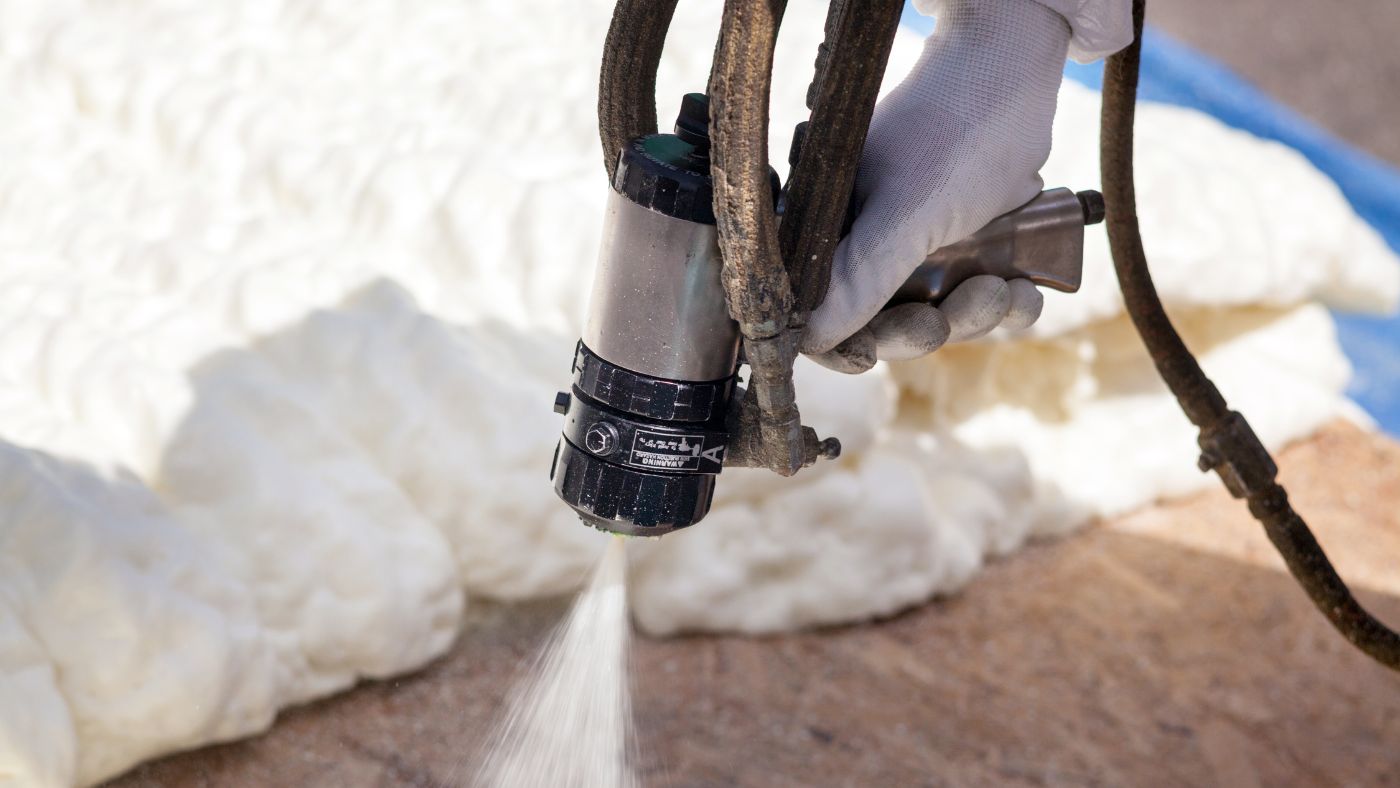
Spray foam insulation has gained traction for its superior insulating properties and ability to seal gaps effectively. Applied as a liquid, it expands into a foam, creating an airtight barrier. This type of insulation is particularly beneficial for steel structures as it minimizes air infiltration and provides excellent thermal resistance.
3. Sandwich panel:
Sandwich panel, such as expanded polystyrene (EPS), extruded polystyrene (XPS), and polyisocyanurate/ polyurethane, are known for their high R-values. These boards are ideal for steel buildings as they help reduce thermal bridging and enhance energy efficiency. Often used in conjunction with other insulation types, sandwich panel ensure comprehensive insulation coverage.
.jpg)
4. Reflective Insulation:
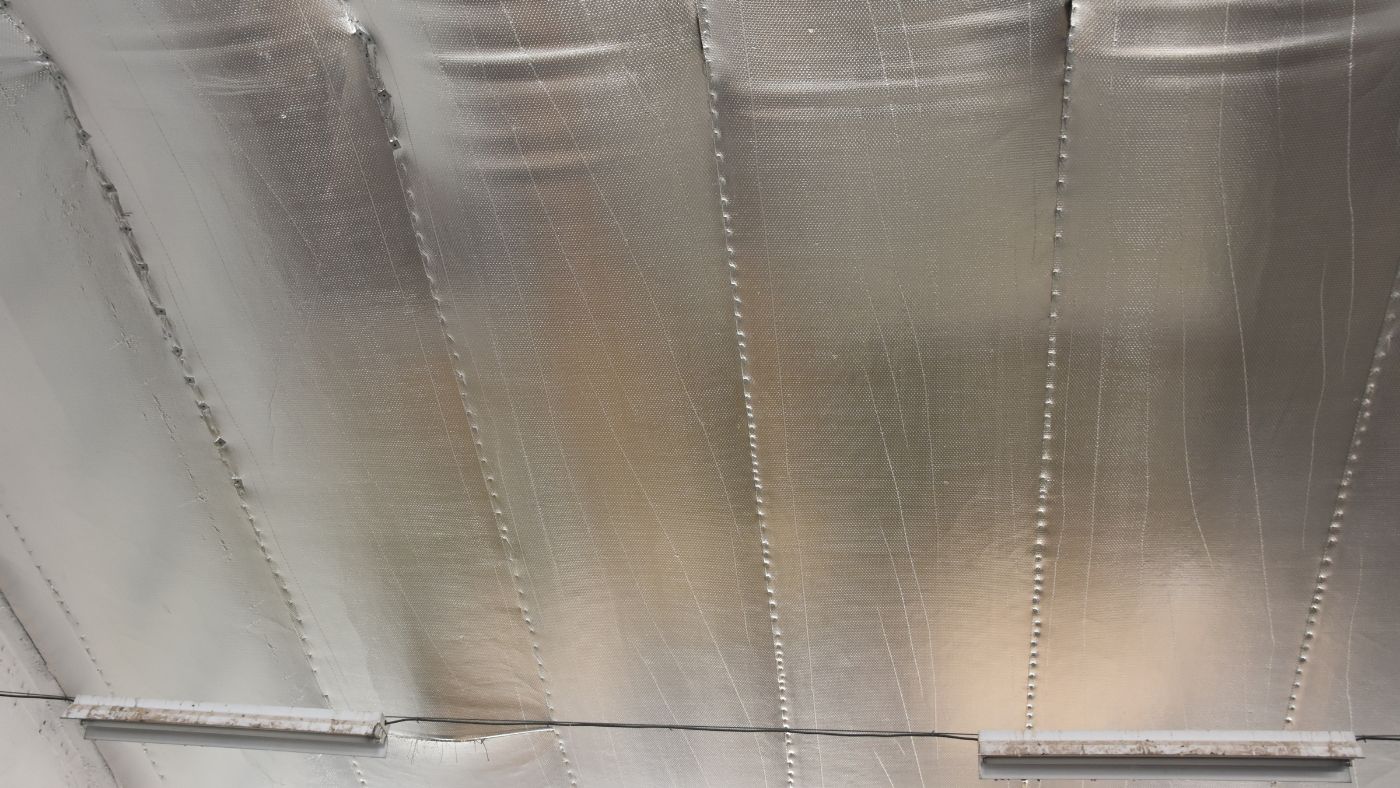
Reflective insulation, utilizing materials like aluminum foil, reflects heat instead of absorbing it. This insulation type is particularly effective in hot climates, significantly reducing cooling costs for steel structures. It is commonly installed on the exterior or between roof panels and ceiling joists.
Benefits of Advanced Insulation in Steel Buildings
1. Energy Efficiency:
Advanced insulation solutions greatly enhance the energy efficiency of steel buildings. By reducing heat transfer, insulation lowers the energy required for heating and cooling, resulting in substantial cost savings. Modern insulation materials achieve higher R-values with less thickness, optimizing space and performance.
2. Moisture Control:
Proper insulation is crucial for moisture control in steel structures. Effective insulation prevents condensation within walls, mitigating the risk of mold growth and structural damage. Spray foam and rigid foam boards are particularly effective in providing a moisture barrier, ensuring the longevity of steel buildings.
3. Soundproofing:
Insulation also plays a vital role in soundproofing steel structures. Due to the metal components, steel buildings can transmit noise easily. Insulation materials like fiberglass and spray foam absorb sound, creating a quieter indoor environment, which is essential for commercial and residential applications.
4. Sustainability:
Sustainability is a growing concern in construction, and modern insulation products are rising to the challenge. Many insulation materials used in steel fabrication are made from recycled content and designed to be environmentally friendly. Using sustainable insulation reduces the environmental impact and promotes greener building practices.
Conclusion
As the popularity of steel buildings continues to rise, the importance of effective insulation becomes increasingly apparent. Advancements in insulation technology provide superior solutions for energy efficiency, moisture control, soundproofing, and sustainability. These innovations not only enhance the comfort and functionality of steel buildings but also contribute to significant long-term cost savings and environmental benefits. For those involved in steel fabrication, investing in modern insulation solutions is a crucial step towards achieving high-performance, energy-efficient steel structures.